- sisdoz@sisdoz.com.tr
- TR

Blog
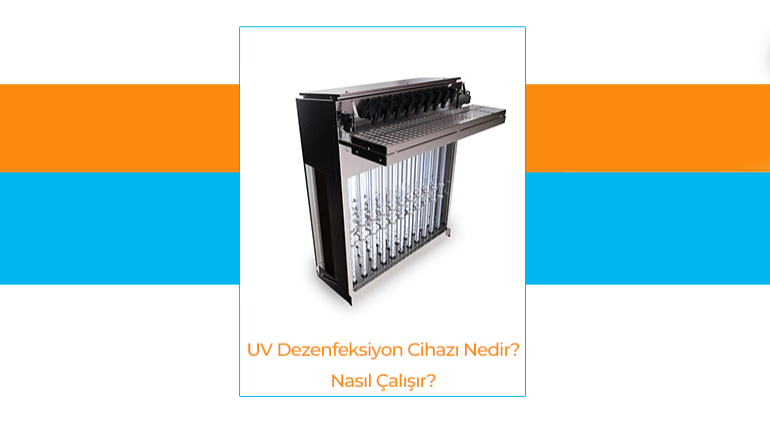
What is a UV Disinfection Device? How Does it Work?
A UV disinfection device is one of the advanced disinfection technologies that neutralizes harmful microorganisms in water or air without using chemical substances. These systems work on the principle of ultraviolet (UV-C) rays disrupting the DNA and RNA structure of microorganisms. Bacteria, viruses, and other pathogens whose genetic structure is damaged cannot multiply and are neutralized in a short time.
Today, UV disinfection devices are safely used in many areas where hygiene is critically important, such as drinking water treatment, wastewater treatment plants, industrial processes, food and beverage production, healthcare facilities, and laboratory applications.
Working Principle of UV Disinfection Systems
UV disinfection systems work thanks to specially designed reactors and UV lamps located inside these reactors. These lamps generally produce UV-C rays at a wavelength of 254 nanometers. This wavelength is the ideal range that provides maximum effect on microorganisms. The process consists of the following steps:
- Water or air is directed into the UV reactor
- UV-C radiation penetrates the genetic structure of microorganisms
- The ability of microorganisms to reproduce and infect is eliminated
- A disinfected, clean flow is obtained
During this process, the chemical structure, taste, odor, and color of the water do not change. In this respect, UV disinfection devices differ from traditional chemical disinfection methods.
Advantages of UV Disinfection Devices
Many important advantages play a role in the preference for UV disinfection systems:
No Chemical Use Required
Since chlorine and similar chemicals are not used, no by-products are formed and the environment is not harmed.
Provides Immediate Effect
UV radiation is effective upon contact. There is no waiting time or need for a contact tank.
Low Operating and Maintenance Costs
Energy consumption is low. Since it does not require chemical consumables, it is an economical solution in the long term.
Wide Microorganism Effectiveness
It provides high effectiveness against bacteria, viruses, protozoa, and chlorine-resistant microorganisms.
Where are UV Disinfection Devices Used?
UV disinfection devices have a wide range of applications in different sectors:
- Drinking and utility water treatment plants
- Wastewater treatment plants
- Food and beverage production facilities
- Pharmaceutical and chemical industry
- Hospitals, clinics, and laboratories
- Fish production and processing facilities
- HVAC and ventilation systems
- Swimming pools and SPA applications
Especially in the food sector, UV systems stand out because they provide hygiene without compromising product quality and natural structure.
What Should Be Considered When Choosing a UV Disinfection Device?
To obtain maximum efficiency from UV disinfection systems, some technical criteria should be considered during the selection phase:
Flow Rate and System Capacity
The amount of water or air to be treated should be calculated correctly, and the UV device should be selected according to this capacity.
UV Dose
The required UV dose is different for each application. Sufficient dose must be provided to completely neutralize microorganisms.
Lamp Quality and Lifespan
High-quality UV lamps offer longer lifespan and stable performance.
Pre-filtration Requirement
Since suspended solids can reduce the effectiveness of UV radiation, appropriate filtration solutions should be preferred before the system.
Differences Between UV Disinfection and Chlorination
UV disinfection and chlorination are the most frequently compared methods in water treatment. UV systems leave no chemical residue and do not create disinfection by-products.
Chlorination, on the other hand, provides a lasting effect in distribution lines but can create risks of taste, odor, and by-products.
Therefore, in many modern