- sisdoz@sisdoz.com.tr
- TR

Blog
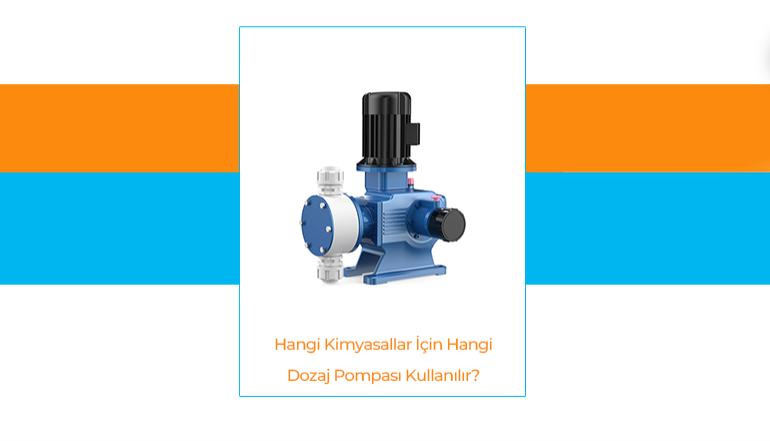
Which Dosing Pump is Used for Which Chemicals?
In industrial processes, it is crucial to transfer chemicals to the system in the correct amount and in a controlled manner. This process is usually carried out through dosing pumps. However, using the same type of pump for every chemical is not correct. Factors such as the chemical's structure, viscosity, corrosiveness, and process pressure play a decisive role in selecting the right pump.
Incorrect pump selection can lead to equipment failures, chemical loss, and decreased process efficiency. Therefore, the pump types used in chemical dosing systems must be suitable for the chemical properties.
Factors Affecting Dosing Pump Selection
Several technical criteria should be considered when determining the appropriate dosing pump for a chemical.
Chemical Corrosiveness
Some chemicals are quite aggressive and can damage metal surfaces. In such cases, the pump body and diaphragm material must be resistant to the chemical.
Viscosity
Chemicals with high viscosity may not be transported with standard pumps. Special pump types are preferred for liquids with high viscosity.
Flow Rate and Pressure Values
The flow rate requirement and line pressure of the system to be dosed play an important role in determining the pump capacity.
Chemical Reactive Properties
Some chemicals may have oxidizing or gas-releasing properties. This may require special solutions in pump design.
Dosing Pumps Used for Acids
Acids are among the most commonly used chemicals in industry. They are used extensively, especially in water treatment systems, chemical plants, and metal processing processes.
Commonly used acids include:
• Sulfuric acid
• Hydrochloric acid
• Nitric acid
• Phosphoric acid
Diaphragm dosing pumps are generally preferred for these types of chemicals. Diaphragm pumps extend pump life by creating a barrier between the chemical and mechanical parts.
In addition, the following materials are preferred in the pump housing:
• PVDF
• PTFE
• Polypropylene
• PVC
These materials provide high resistance to acids.
Dosing Pumps for Bases and Alkaline Chemicals
Bases are also frequently used chemicals in industrial processes. They are widely used in pH adjustment processes or chemical reactions.
The most common base chemicals are:
• Sodium hydroxide (caustic soda)
• Potassium hydroxide
• Ammonia solutions
For these chemicals, diaphragm dosing pumps or precision piston pumps operating at low flow rates can be used.
When selecting a pump for bases, the following criteria should be considered in particular:
• seal strength
• valve material
• diaphragm flexibility
Failure to select the appropriate material can cause deformation in the chemical pump elements.
For Chlorine and Oxidizing Chemicals
Chlorination is quite common in water treatment systems. Special pump solutions are required for dosing chlorine and similar oxidizing chemicals.
These chemicals include:
• sodium hypochlorite
• hydrogen peroxide
• chlorine dioxide
Chemical-resistant diaphragm dosing pumps are generally used for these types of chemicals.
In addition, an appropriate suction line design should be made to prevent gas formation in the system.
When selecting a pump for chlorine-containing chemicals, factors such as:
• UV resistance
• oxidation resistance
• sealing quality
should be considered.
Dosing Pumps Used for Viscous Chemicals
Some chemicals have high density and low fluidity. Different pump technologies are used for dosing such liquids.
Examples of viscous chemicals include:
• polymer solutions
• glycerin
• dense additives
The following pump types are generally preferred for such chemicals:
• peristaltic dosing pumps
• mono (progressive cavity) pumps
These pumps can transfer dense liquids more stably.
The Importance of Correct Pump Selection in Chemical Dosing Systems
Dosing pump selection directly affects not only equipment performance but also process safety. Incorrect pump selection can lead to the following problems:
• increased chemical consumption
• pump failures
• disruption of process control
• increased maintenance costs
Therefore, chemical properties should be analyzed in detail when designing chemical dosing systems.
Different chemicals have quite different properties, and therefore using the same dosing pump for every chemical is not the correct approach. Different pump technologies should be preferred for acids, bases, oxidizing agents, or viscous chemicals.
Correct pump selection; It increases system efficiency, optimizes chemical consumption, and reduces operating costs. Therefore, when selecting a pump for chemical dosing systems, chemical properties, process conditions, and system capacity should be evaluated together.